Ara Partners Acquires Majority Interest in Bryden Wood, a Leading International Integrated Design and Engineering Firm
BOSTON, Sept. 17, 2026 /PRNewswire/ -- Ara Partners, a global private markets firm focused on decarbonising the industrial economy, today announced that it has acquired a majority interest in Bryden Wood, a strategy and integrated design consultancy. Ara will support Bryden Wood's continued growth and expand the firm's work across the industrial economy and within Ara's portfolio.

Bryden Wood brings inventive thinkers, designers, engineers and technical specialists into one team – solving the most complex design problems for some of the largest and most innovative companies in the world. The firm, headquartered in London, UK, employs 300 people in four offices across Europe.
Bryden Wood is changing the way industrial process facilities are designed and delivered. Combining front-end strategic thinking with deep delivery expertise, the company has carved out a distinctive offer turning complex requirements into repeatable, configurable solutions – using reference designs, standardised systems and off-site manufacture.
Across pharmaceuticals, low-carbon industries and data centres, this approach moves projects from strategy to delivery with greater speed and certainty – reducing capital cost, compressing programmes and making facilities easier to replicate at scale.
The transaction, which sees Ara take a majority stake in Bryden Wood, solidifies a multi-year relationship between the companies. Bryden Wood has supported the design evolution and capital strategy for several Ara portfolio decarbonization projects, including Sedron, Divert, Utility Global, BioVeritas, and GIDARA Energy.
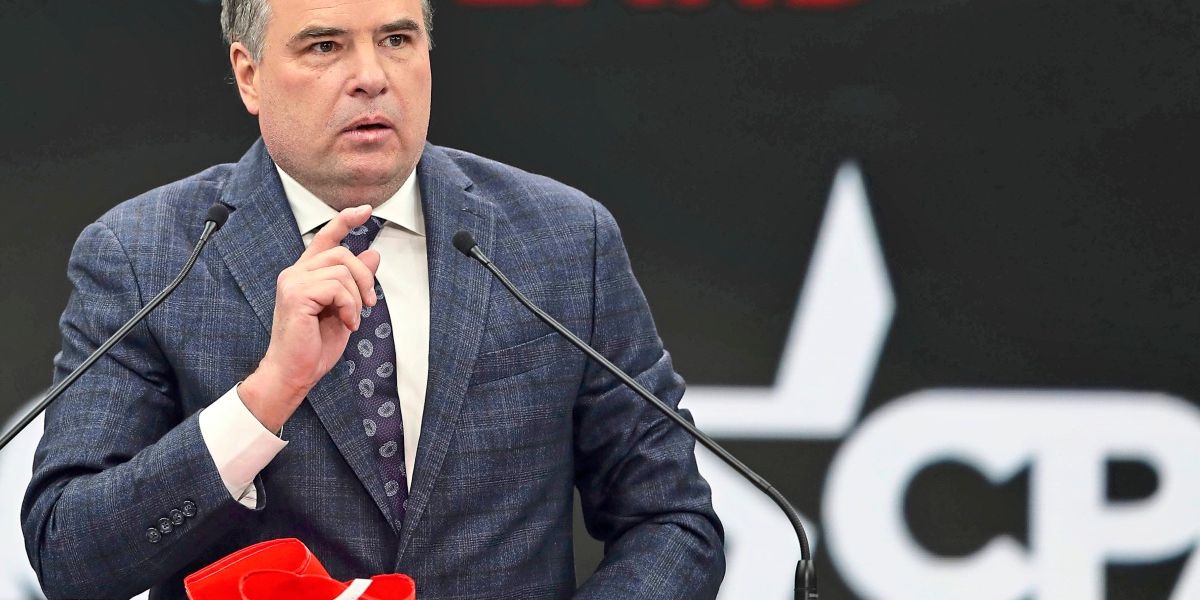
"Investment in decarbonisation, data centres and advanced manufacturing is accelerating. The challenge is designing the pathway from promising technologies to physical assets that are investable, buildable and repeatable," says Bryden Wood co-founder, Martin Wood.
"This partnership with Ara gives us the opportunity to apply our approach at greater scale and make a bigger impact."
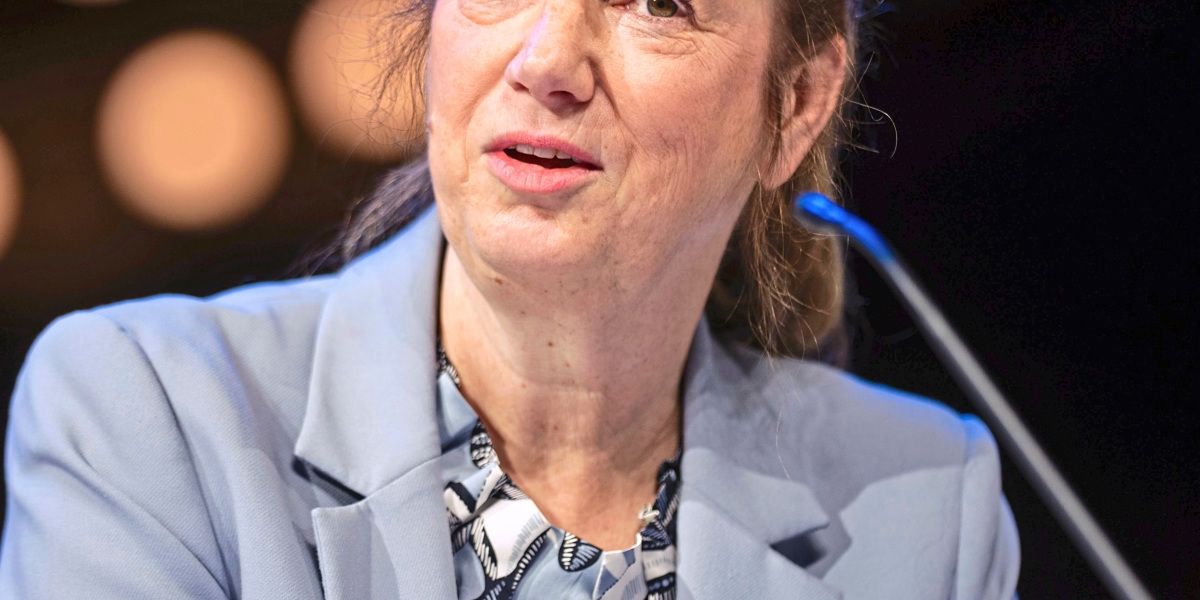
"Bryden Wood has been central to our ability to scale low-carbon process technology and deliver projects on time and on budget," said Charles Cherington, Co-Founder and Managing Partner of Ara Partners. "We have seen first-hand how their approach takes real capital cost out of major industrial projects, and that advantage compounds across every asset we build. This partnership allows us to deepen that capability within our portfolio and deliver that value to the broader industrial economy."
About Ara Partners
Founded in 2017, Ara Partners is a global private markets firm focused on decarbonizing the industrial economy. The firm invests in the middle market across three strategies: Private Equity, Infrastructure, and Energy. Ara scales commercially demonstrated decarbonization solutions, supports the businesses and infrastructure that enable their adoption, and reduces emissions at the source across the conventional energy value chain. Ara operates from Houston, Boston, Dublin and Washington D.C., and as of March 31, 2026, had approximately $8.2 billion in assets under management.
For more information about Ara Partners, please visit www.arapartners.com.
About Bryden Wood
Bryden Wood is a strategy and design consultancy that brings together inventive thinkers, designers, engineers, and technical specialists to solve complex challenges in mission-critical infrastructure.
Our 300-person team integrates strategy, design, engineering, and digital expertise to deliver greater quality, speed, and value. Our work is focused on three priorities: accelerating decarbonisation, deploying new technologies, and transforming how infrastructure is designed and delivered.
For 30 years, we have challenged conventional approaches and developed innovative solutions that move industries forward.
Bryden Wood is headquartered in London, with offices in Barcelona, Milan, and Athens.
Media Contact
Jane Merkler, Ara Partners
jane@arapartners.com
Media Contact:
Felicity McKane
fmckane@brydenwood.com
+447768828518
 View original content to download multimedia:https://www.prnewswire.co.uk/news-releases/ara-partners-acquires-majority-interest-in-bryden-wood-a-leading-international-integrated-design-and-engineering-firm-302881133.html