Markel strengthens Marine & Energy Liability team in London with key appointments
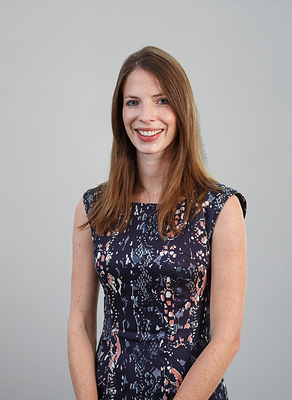
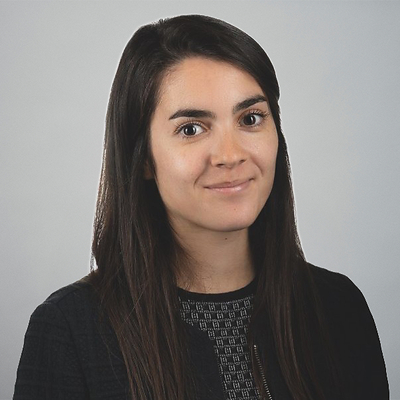
LONDON, Oct. 15, 2026 /PRNewswire/ -- Markel Insurance, the insurance operation within Markel Group Inc. (NYSE: MKL), today announced two key appointments within its Marine & Energy Liability underwriting team in London. Josephine Stroud has been appointed Head of Energy Liability, while Jenny McFarlane joins as Senior Underwriter – Marine & Energy Liability, with both appointments strengthening Markel's London Market underwriting team.
Both appointments follow the establishment of Markel's new Marine Transportation business within its London Market operations, which brings together Hull & Hull War, MECO, Marine & Energy Liabilities (M&E), and Transport & Logistics, giving brokers greater access to underwriting expertise across these portfolios.
As Head of Energy Liability, Stroud will be responsible for underwriting multi-line, cross-class facilities, working alongside Rhys O'Neill, Head of Marine Liability, to drive further profitable growth across the Marine & Energy Liability portfolio. She'll oversee risk assessments and help develop risk mitigation strategies, working closely with brokers, distribution partners and stakeholders to continue delivering effective underwriting solutions for clients' evolving risk exposures.
In her new role as Senior Underwriter – Marine & Energy Liability, McFarlane will support the strategic development and continued evolution of the Marine & Energy Liability product offering, ensuring clients continue to receive specialist coverage and support. She'll help develop new wordings, drive broker engagement and identify growth opportunities, while maintaining underwriting discipline and delivering high service levels.
Based in London, Stroud and McFarlane will report into the Marine & Energy Liability team, part of the Marine Transportation business, led by Grant Smith.
Smith said: "I'm delighted to welcome Josephine and Jenny to our growing Marine & Energy Liability team. They bring strong expertise and enthusiasm for portfolio management, underwriting, data analysis, claims service and client relationship management. Our Marine Transportation business was built on the technical expertise and precision that Josephine and Jenny bring to their new roles. With their appointments, our Marine & Energy Liability operation is well positioned to continue supporting clients as they navigate an increasingly complex and volatile risk landscape."
Stroud commented: "The marine and energy industries continue to face uncertainty, driven by heightened geopolitical volatility, energy security challenges and disruption to global shipping routes. Against this backdrop, clients need tailored, innovative solutions backed by specialist underwriting expertise. I look forward to working closely with our underwriting team and brokers to continue delivering consistently high levels of service and prioritise our clients' needs, especially during times of geopolitical instability."
McFarlane added: "I'm thrilled to be taking on my new role as Senior Underwriter in Markel's Marine & Energy Liability team. I look forward to driving innovation across our product offering, strengthening broker relationships and enhancing Markel's client proposition to ensure we continue to meet the evolving needs of our clients and the wider market."
Stroud has more than 18 years' experience in liability broking and underwriting, having worked at Willis Towers Watson and, most recently, AXA XL. At AXA XL, she was responsible for underwriting, risk assessment and pricing for clients operating across the oil and gas sector and the energy transition.
McFarlane joins from Tokio Marine HCC International, bringing more than eight years' experience in Marine & Energy Liability.
About Markel Insurance
We are Markel Insurance, a leading global specialty insurer with a truly people-first approach. As the insurance operations within the Markel Group Inc. (NYSE: MKL), we leverage a broad array of capabilities and expertise to create intelligent solutions for the most complex specialty insurance needs. However, it is our people – and the deep, valued relationships they develop with colleagues, brokers and clients – that differentiates us worldwide.

 View original content to download multimedia:https://www.prnewswire.co.uk/news-releases/markel-strengthens-marine--energy-liability-team-in-london-with-key-appointments-302908817.html