New Poll: Global Public Backs Stronger UN and Wants Bold Leadership from Next Secretary-General
A 20-country poll shows nearly 90% believe powerful nations need the international system, alongside strong support for a woman Secretary-General
WASHINGTON, Sept. 17, 2026 /PRNewswire/ -- As world leaders arrive in New York for UN General Assembly High-level Week, the United Nations Foundation today released results of a new global poll, which finds that 57% of citizens fear for the future, while nearly 90% believe that not even the most powerful nations should confront turbulent times on their own. The global public wants a reinvigorated UN, under an outward-facing leader, even as 85% have heard little about the race to find a new Secretary-General, the poll shows.
The report, "A Mandate for Renewal: Global Public Opinion on the United Nations and the Selection of the 10th Secretary-General," analyzes results of a poll conducted in 20 countries home to 56% of the global population. Fielded by GeoPoll, the poll is the first to survey the race to lead the UN and captures the views of 5,000 citizens, including from all 15 members of the UN Security Council, as it votes on candidates for what has been described as the "world's toughest job."
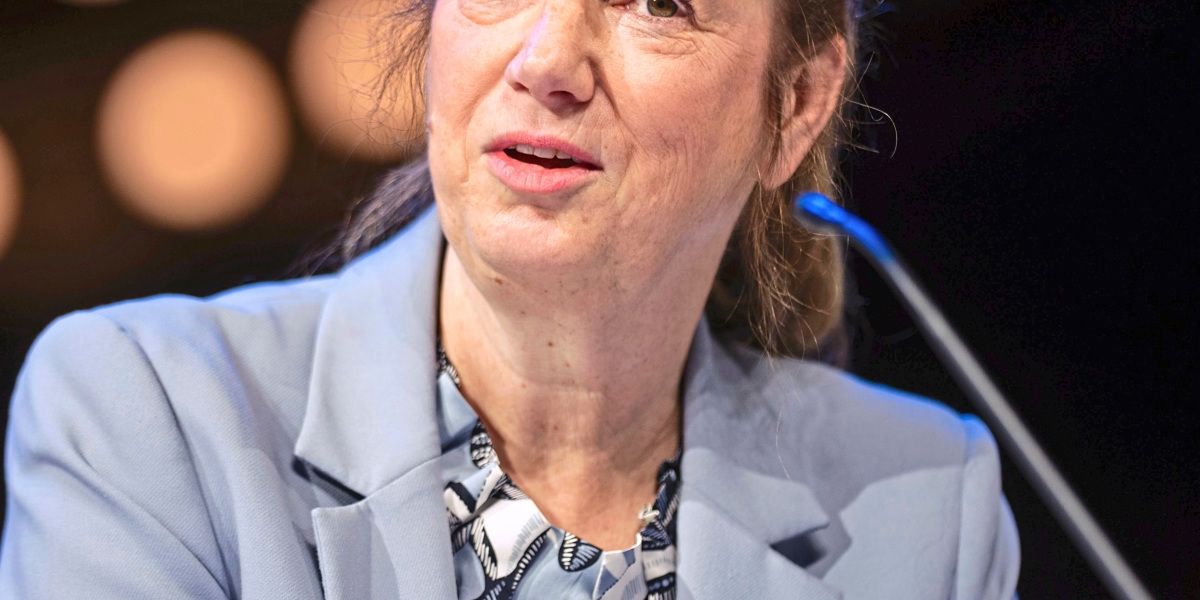
"In an increasingly turbulent world, we need a multilateral system that delivers," said UN Foundation President and CEO Elizabeth Cousens. "A re-energized United Nations is vital to that task, making the upcoming leadership transition possibly the most consequential in the UN's history. The selection of a new Secretary-General offers a rare opportunity to define why the institution exists, who it serves, and how it can achieve results in a fragmented world."
With a crowded field and no clear frontrunner, the Secretary-General race is moving into decisive stages, with the Security Council expected to hold straw polls directly before and shortly after UN General Assembly High-level Week.
The survey shows that while a majority of citizens (58%) trust the UN to deliver, public patience is finite. Citizens want a bold, visible leader who can rebuild faith in shared solutions, while six in ten respondents want the UN to break with 80 years of history and select the first woman Secretary-General.
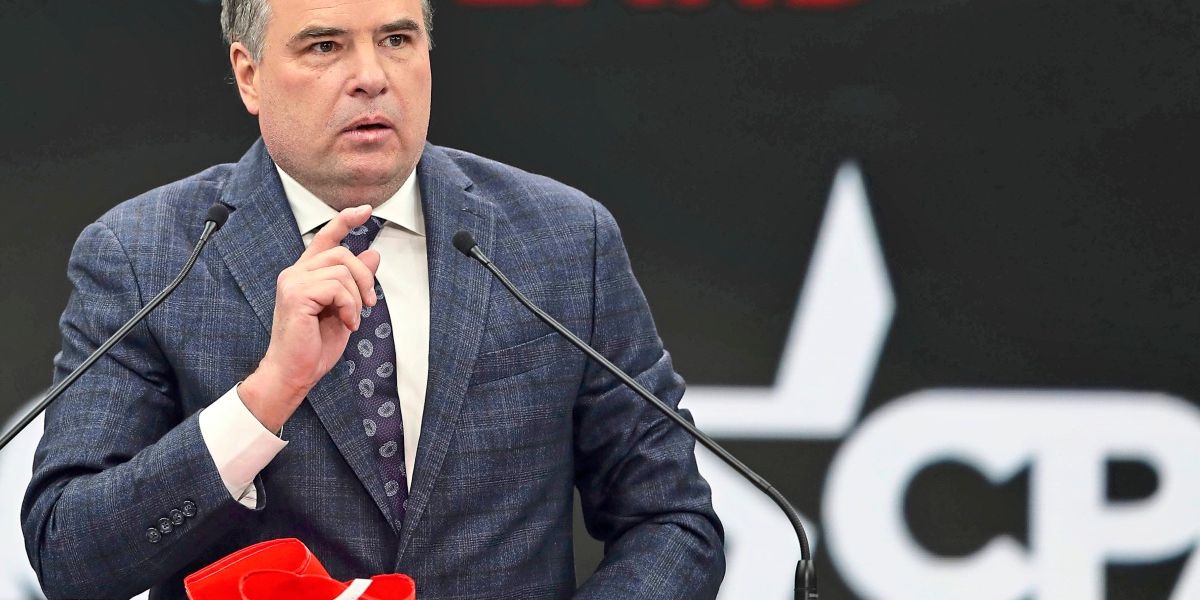
"While the world still trusts the UN, the global public is eager for change," said former UN Deputy Secretary-General and UN Foundation Board Member Mark Malloch-Brown. "The next Secretary-General will have an opportunity to connect directly with citizens and show how the UN can turn their expectations into results that matter in their daily lives."
Key findings from the report include:
- Citizens fear for their future in a turbulent world. Nearly 6 in 10 respondents (57%) are worried about the future. Older generations are the most pessimistic (64% worried), while young adults (18–34) are the most optimistic (37% hopeful).
- Conflict prevention tops public priorities. When asked to select their top three priorities for global cooperation, more than half of respondents (58%) named preventing and ending armed conflicts. This was followed by reducing poverty and inequality (45%), taking climate action (40%), protecting human rights (35%), and managing the global economy (29%).
- A majority trusts the UN to deliver, but with a North-South divide. Nearly 6 in 10 respondents (58%) trust the UN and other international institutions to make progress on the challenges that matter to them most, but 39% are skeptical. Trust in institutions' ability to deliver is higher in the Global South (65%) than the Global North (44%). Only 13% believe the UN is outdated and no longer necessary in the modern world.
- The public wants an outward-facing leader. While demand for renewal of the UN is high, only 17% want the next Secretary-General to focus primarily on internal reform. Instead, citizens want a leader who looks outward: a diplomat (28%) to end wars, a crisis manager (26%) for global emergencies, or a moral voice (25%) to speak out on human rights and existential threats.
- The UN leadership race has yet to break through. Most global citizens (85%) have heard little to nothing about the selection of a new Secretary-General. While official candidates are not entirely unknown (averaging 19% name recognition), they have yet to achieve wider public visibility.
- Demand for a historic first. Six in ten respondents (61%) say it is important for the next UN Secretary-General to be a woman. Support for a woman leader is highest among women (68%), young adults aged 18–34 (68%), and respondents across the Global South (70%).
View the full press kit, including images, methodology, and additional resources.
 View original content to download multimedia:https://www.prnewswire.co.uk/news-releases/new-poll-global-public-backs-stronger-un-and-wants-bold-leadership-from-next-secretary-general-302882184.html