Werfen Launches QUANTA Link® 5.0: A Modern, Web-Based Platform for Autoimmune Laboratory Workflow Management
A flexible, browser-based solution, QUANTA Link 5.0 centralizes autoimmune testing workflows. It enhances usability, streamlines workflows, and supports confident decision-making in today's autoimmune laboratories.
SAN DIEGO, Oct. 6, 2026 /PRNewswire/ -- Werfen today announced the global launch of QUANTA Link 5.0, a major advancement in its data management platform for autoimmune laboratories. The new version introduces a browser-based solution designed to simplify daily operations, improve workflow visibility, and support laboratories in managing increasing testing complexity with greater efficiency and confidence.
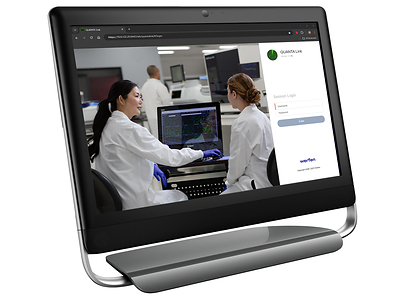
At the core of QUANTA Link 5.0 is a transition to an HTML-based interface, enabling laboratories to access through a standard web browser. This approach delivers a more intuitive, consistent user experience while allowing greater flexibility in how and where users interact with the platform—without requiring local installations.
As laboratories increasingly prioritize digitalization, IT alignment, and cybersecurity readiness, QUANTA Link 5.0 supports these evolving needs through:
- A modern web-based interface that streamlines workflows and improves navigation across workstations
- Enhanced order management and usability, with consolidated views that integrate patient history, prior results, and contextual insights for faster review
- Improved result visualization and analytics to track workflow status, monitor trends, and support consistent interpretation
- Expanded traceability, audit, and security controls to strengthen compliance and transparency
- A scalable architecture with improved performance and configurability to support evolving laboratory operations and future innovation
QUANTA Link 5.0 preserves validated workflows, ensuring continuity, reliable instrument integration, and seamless LIS connectivity for current users. Additional enhancements, including increased automation and standardized workflows, reduce manual steps and improve efficiency in high-volume environments. Flexible configuration options enable laboratories to adapt the system to their specific needs.
"QUANTA Link 5.0 reflects our commitment to delivering solutions that are both powerful and easy to use in real-world autoimmune laboratory settings," said Vijay Namasivayam, PhD, Chief Operating Officer, Autoimmunity. "By combining a modern, flexible user experience with meaningful workflow improvements, we are helping laboratories operate more efficiently while continuing to support clinicians in delivering high-quality patient care."
About QUANTA Link
QUANTA Link is Werfen's data management platform that centralizes autoimmune testing workflows by integrating results from Aptiva®, BIO‑FLASH®, QUANTA‑Lyser®3000, NOVA View®, and manual microscopy into a single, unified interface. It streamlines result handling, enhances traceability, and supports consistent data interpretation across laboratory operations.
QUANTA Link 5.0 is available now to Werfen customers worldwide.
About Werfen
Werfen (werfen.com) founded in 1966, is a worldwide developer, manufacturer and distributor of specialized diagnostic instruments, related reagents, automation workcells, and data management solutions for use primarily in hospitals and independent clinical laboratories. The Company's clinical areas of focus include Autoimmunity, Hemostasis, Acute Care Diagnostics, Transfusion, and Transplant.
Werfen's solutions help improve the way patients with autoimmune diseases are diagnosed, monitored, and treated. The autoimmunity portfolio includes Aptiva®, BIO-FLASH®, NOVA View®, and QUANTA-Lyser® 3000 systems, and QUANTA Link® data management solution.
The Werfen logo is a trademark of Werfen. Aptiva, QUANTA-Lyser, QUANTA Lite, QUANTA Link, QUANTA Flash, NOVA View, NOVA Lite are registered trademarks of Inova Diagnostics, Inc., a Werfen company. BIO-FLASH is a registered trademark of Biokit S.A. All other product names, company names, marks, logos, and symbols are trademarks of their respective owners.
 View original content to download multimedia:https://www.prnewswire.co.uk/news-releases/werfen-launches-quanta-link-5-0-a-modern-web-based-platform-for-autoimmune-laboratory-workflow-management-302898647.html